
Is Your BAS Actually Saving You Money?
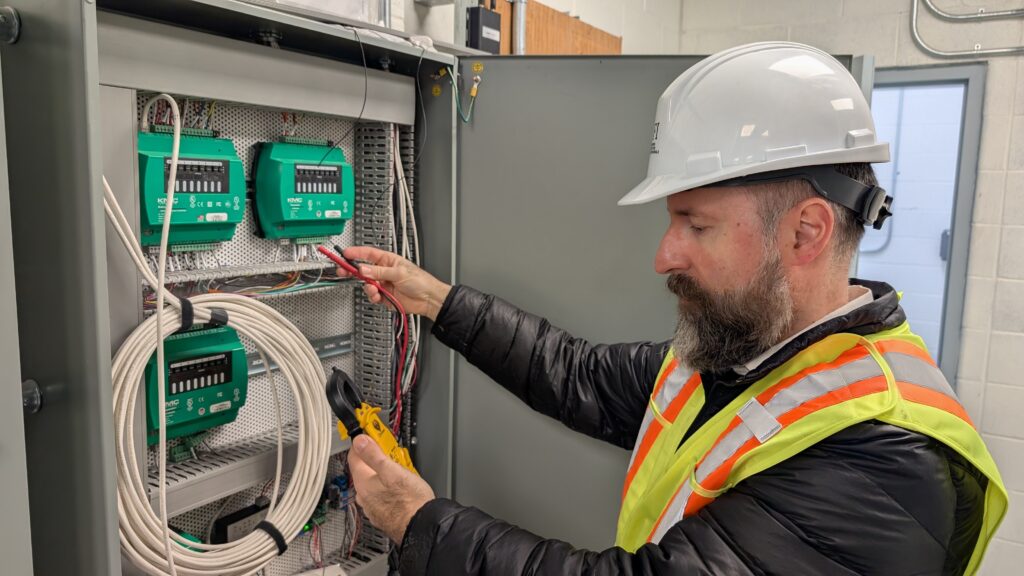
Building Automation Systems (BAS) and HVAC systems are designed to improve comfort, reliability, and energy efficiency.
But how do you know they’re operating the way they were designed to?
In recent projects, our team has uncovered numerous issues in both new and existing buildings that were quietly increasing operating costs — sometimes for years.
Real Issues We’ve Recently Found
During recent assessments, we identified:
-
Pumps running at full capacity instead of variable speed
-
Equipment left in manual mode for long periods
-
BAS status signals jumpered out or overridden
-
Valves closed when they should be open
-
Equipment not connected to power or not enabled
-
Incorrect or missing system setpoints
-
Replacement equipment that did not meet specification
-
Systems never fully commissioned after installation
Individually, these issues may seem small.
Over time, they can significantly increase energy use and utility costs.
For larger facilities, these inefficiencies can add up to $100,000s in unnecessary operating expenses.
Why This Happens
Maintenance contractors are focused on restoring operation quickly.
However, without access to the full engineering design and sequence of operation, a short-term fix can create upstream or downstream inefficiencies.
The system may be running — but it may not be running efficiently.
Energy efficiency commissioning
Through Energy efficiency commissioning Ottawa, our engineering team reviews:
-
Design intent versus actual operation
-
Control sequences and setpoints
-
Equipment performance
-
BAS programming and overrides
-
Compliance of repairs with original specifications
This ensures systems operate as designed and at peak efficiency.
Does Your Building Need an Assessment?
If your facility has:
-
Rising utility costs
-
Frequent overrides or manual modes
-
Persistent BAS alarms
-
No recent commissioning review
it may be time for an independent assessment.
In many cases, correcting system-level inefficiencies can result in substantial annual savings.